What happens after your customer sees an ad on television or gets a recommendation from her doctor?
Most often, she opens Google. Or AI.
And that is where a phase begins that brands rarely really control.
The decision is not made at the first contact
Our data shows that making decisions about health is a process, not a one-off moment.
Women:
- first look for information (most often online)
- then verify it
- and only then decide
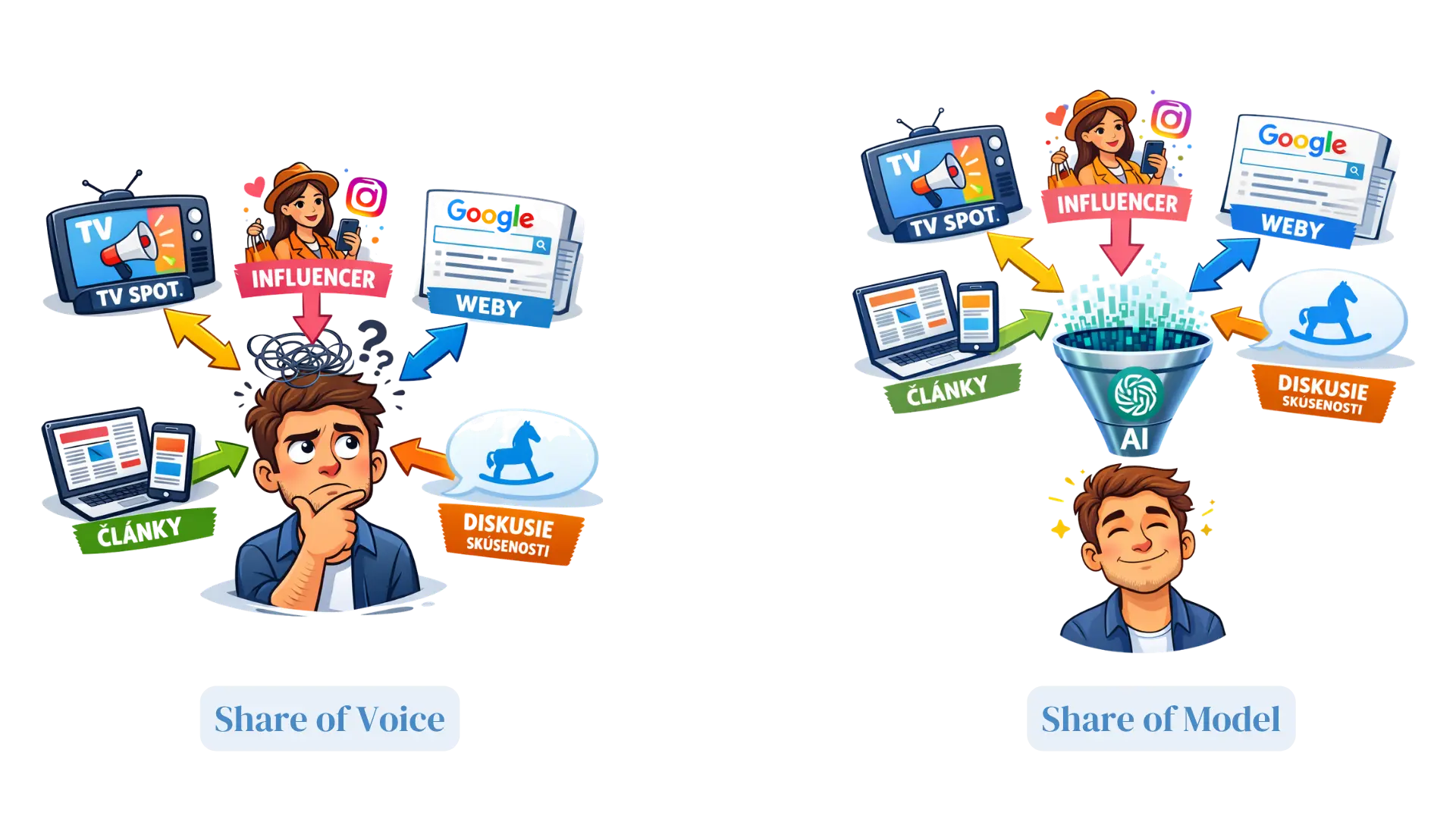
What matters is that during this process they combine several sources: expert information as well as other women's experiences.
The trust paradox
At first glance, it seems clear:
- women trust experts
- they look for facts
- they care about safety and ingredients
But in the final phase, one more factor comes into play: other people's experience.
And that is what can fundamentally change the decision.
In our survey, 47% of women said they had changed their decision based on an online discussion.
What happens in the final phase of the decision
At the moment when a woman is making a decision about her own health or her family's, she is no longer looking just for information.
She is looking for certainty.
She is looking for confirmation that:
- the product works in real life
- it is safe
- people in a similar situation have had positive experiences with it
And if she does not find it, or comes across a negative experience the brand has not responded to, her decision can change in a moment.
The role of online communities
This is where online communities come into play.
They are not just a place to share opinions.
They are a space where:
- information is verified
- experiences are put into context
- the final decision is made
This means that brands here are not just "visible"; they can be part of the decision-making process itself.
Where there is room for brands
In health, classic advertising does not work as the final trigger.
What matters more is:
- being present at the moment of verification
- being part of a trustworthy environment
- connecting expertise with real experience
It is this combination that creates real influence on the decision.
What follows from this
If a brand is missing in this phase, it misses the moment when the decision is actually made.
Not because it is not visible.
But because it is not present where the customer confirms her decision.
Would you like to see what this process looks like in practice?
We have prepared a detailed overview based on data from the health sector.
Download the overview (PDF, in Slovak)
Would you like to know how it works for your brand?
Every category and every brand has a different position in discussions.
We will be happy to look at:
- how people talk about your category
- where the decision-making moments happen
- what reach can realistically be achieved
Get in touch for a tailor-made proposal.