Influencer marketing is now a common part of marketing strategies. The reason is simple: People trust recommendations from real people more than they trust advertising.
At the same time, not every collaboration with an influencer automatically brings results. The key is to understand what role influencers (or brand ambassadors) really play in customers' decisions.
What influencer marketing is
Influencer marketing is a collaboration between a brand and content creators who have built up trust with their audience.
It is not just about big profiles on Instagram or YouTube. An influencer can also be someone with a smaller but narrowly focused community, or, for example, an active community member who naturally influences others.
This is where the difference between "reach" and real influence lies.
Trust matters more than size
One of the most common mistakes is to focus purely on the number of followers.
In practice, smaller or topic-focused creators who have a closer relationship with their audience often work better. Their recommendations feel more natural and have a greater influence on decisions.
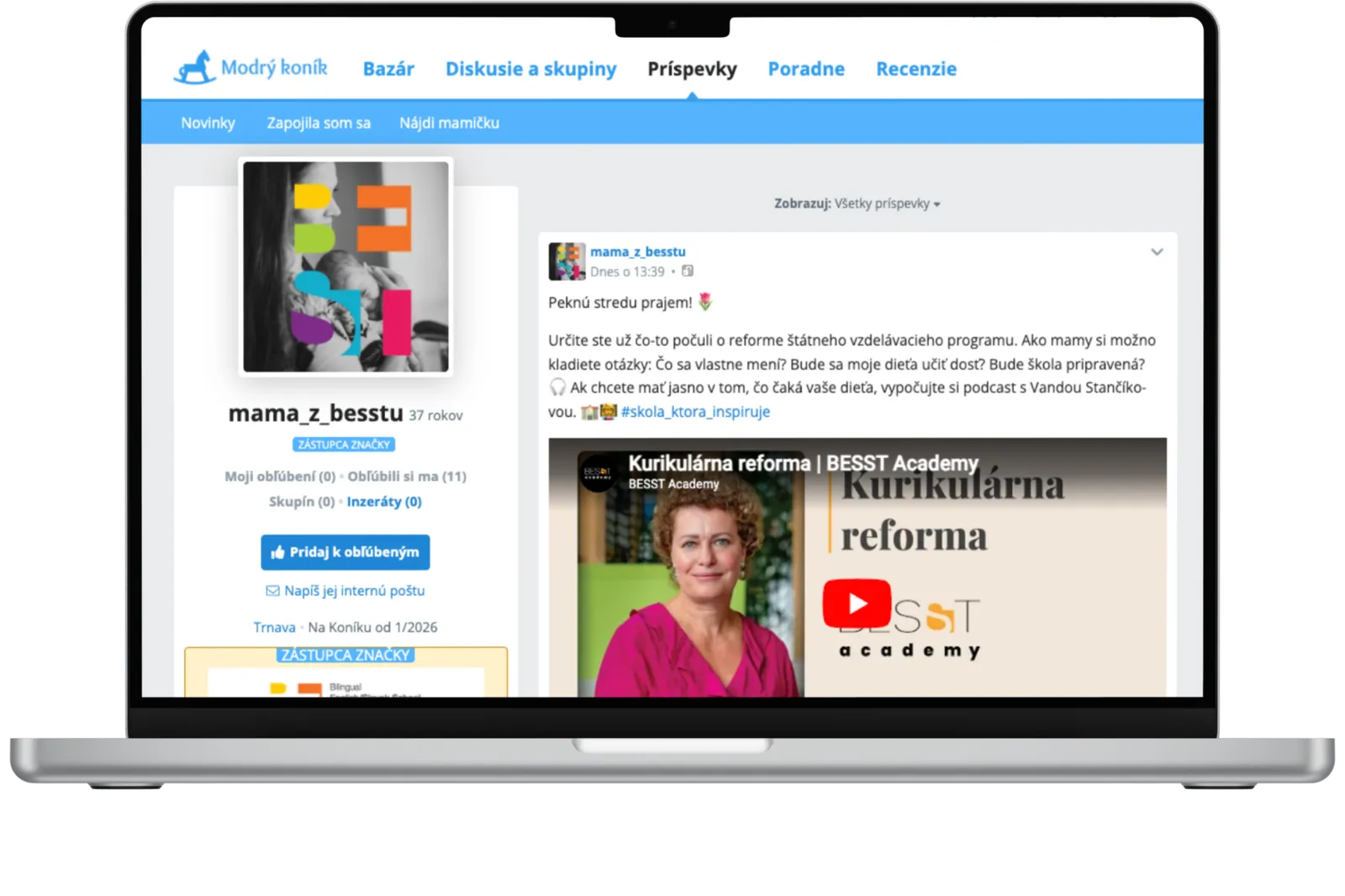
This is especially true for products for specific target groups, for example mums. In such cases, it makes more sense to work with people who are part of that community and have its trust.
Influencer vs. ambassador
Alongside classic influencers, collaboration with brand ambassadors is becoming increasingly common.
The difference lies mainly in the long-term nature and naturalness of the relationship:
- An influencer often works with a brand on a one-off or short-term basis
- An ambassador is connected with the brand over the long term and naturally brings it into her content and her life
It is this long-term collaboration that feels more trustworthy and has a greater impact on how the brand is perceived.
How to create a collaboration that works
For a collaboration with influencers or ambassadors to have a real impact, it helps to stick to a few principles:
- Be clear about your goal. Do you want to raise awareness, gain new customers or support sales? Each goal calls for a different approach.
- Choose the right target group. Focus on where your target group actually is and whom it trusts.
- Look at relevance, not just reach. What matters is that the influencer fits your brand and their audience matches your customers.
- Leave room for authenticity. Content that is too controlled feels like advertising. Authentic content has a better chance of engaging and persuading people.
- Think long term. Repeated contact with the brand builds trust. A one-off collaboration has a limited effect.
- Measure the real impact. It is not just about likes and comments. Track how the collaboration affects traffic, enquiries or sales.
Influencer marketing in the context of decision-making
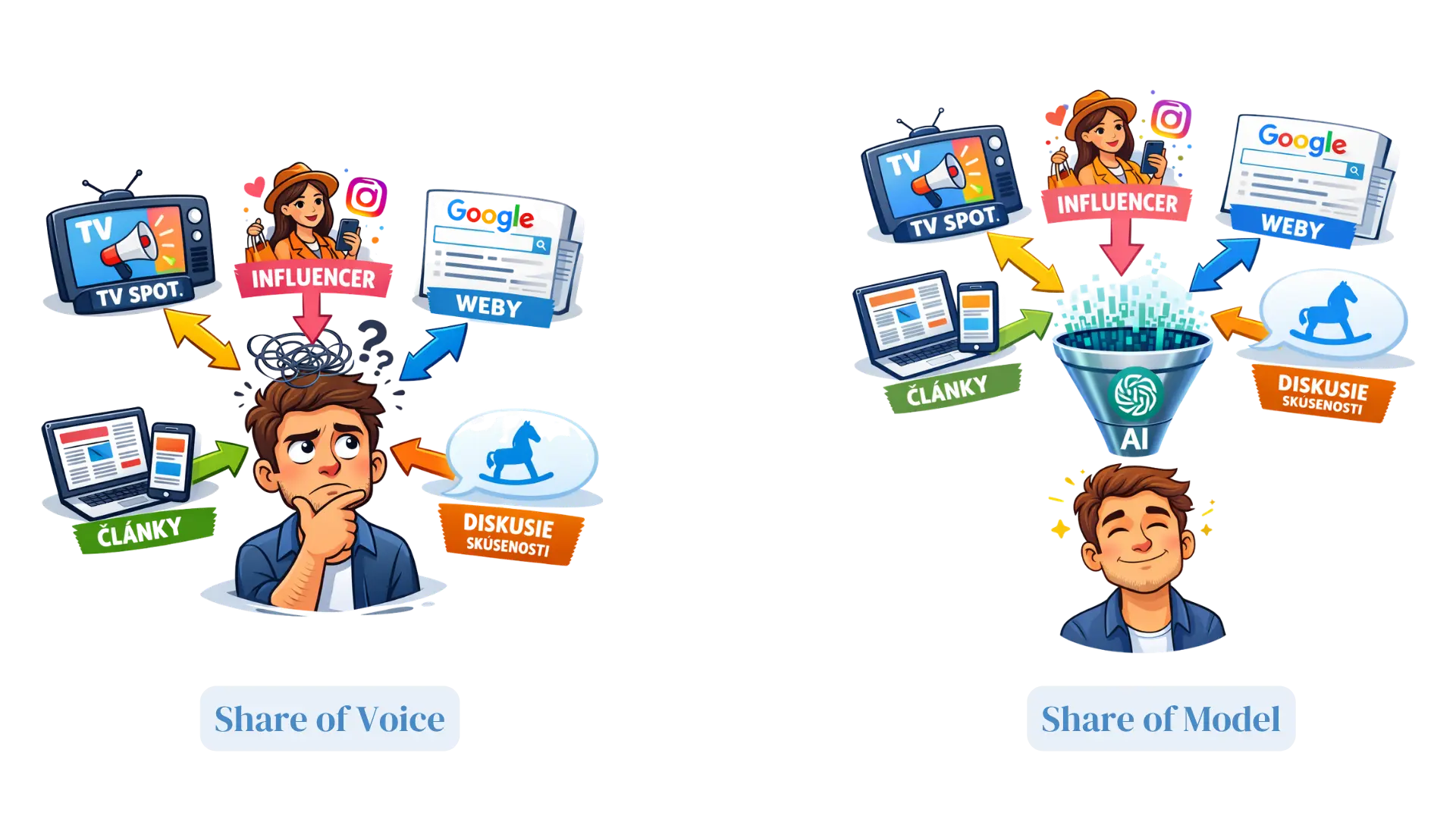
An influencer is often not the one who decides the purchase, but the one who starts the decision-making process.
The customer then:
- looks up more information
- reads reviews
- compares the options
That is why it is important for influencer marketing to connect with other content and be part of a wider strategy.