Even though you work hard to keep your customers satisfied, something goes wrong from time to time. Not even the most responsible company in the world can avoid the occasional mistake. In the age of the internet and social media, however, a single dissatisfied customer can leave a serious dent in your reputation. How can you prevent this? The solution is called online reputation management, or ORM for short.
Almost everyone has experienced it. Even though customer service usually works perfectly, and so do the products or services, one day something goes wrong. A customer does not get an answer to a question about their problem. Or they receive damaged goods. Or they have a bad experience with your service. And because they are full of indignation, they share their negative experience online. A bad review spreads quickly among other users. What now?
What is online reputation management?
Online reputation management, or ORM, is managing your reputation in the online environment. By taking an active approach to ORM, you can minimise customers' negative reactions to your product or service in good time and keep your reputation in the best possible shape.
ORM involves actively monitoring mentions of your brand on websites and social media in order to catch any negative or untrue comments. You can then actively respond to the comments or media articles you find, whether with a direct reply, a public statement or even a change within the company (for example an adjustment to the product, the service or customer care).
How does reputation management differ from PR?
ORM shares a goal with PR: to present your company in the best possible light. The main difference, however, lies in the way they achieve it.
Public relations activities aim to create a positive reputation for the company. Online reputation management, on the other hand, is often reactive, or based more on your customers' activities than on your own. It involves looking for (primarily) negative mentions of the company and content that could harm your business, and then responding to it. Companies usually handle these steps internally, because you know best what happened and how to put the situation right in line with your company's values and mission.
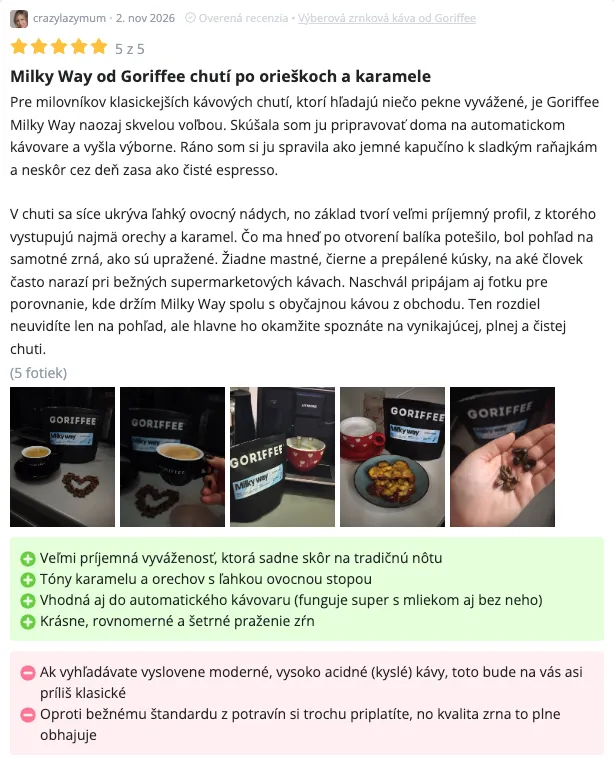
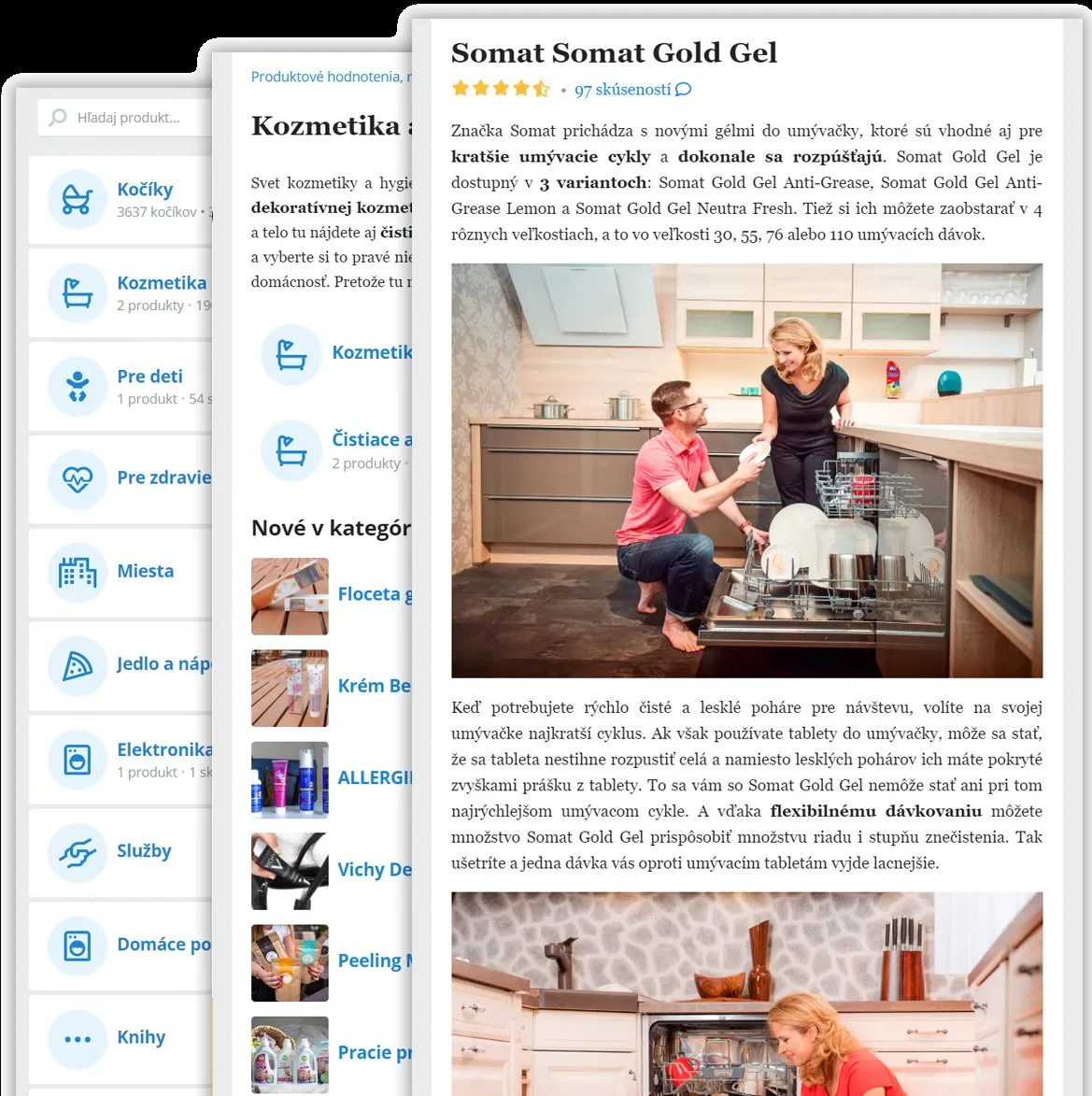
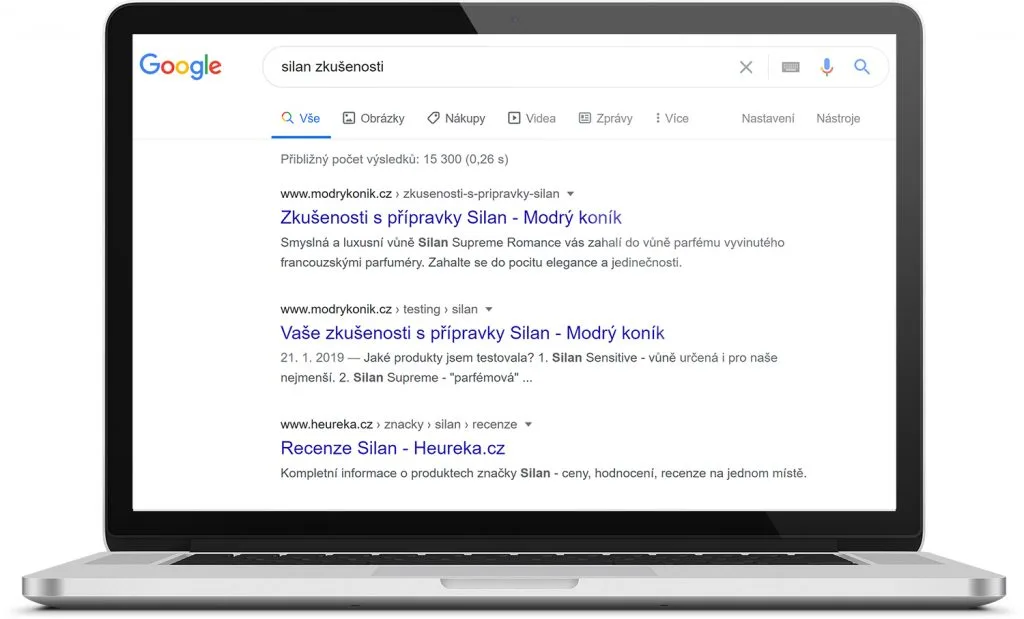
Another part of ORM is a targeted effort to make sure that the positive reviews your current customers have left you can easily be found by other people (in other words, potential customers). This is what the Review Centre is for, for example. You can create a profile for your product there and collect reviews, which then often appear in Google search and in AI tools.
Why you should start monitoring your online reputation
You may feel that it is better to overlook minor complaints from individual users and deal only with "real" crises, for example articles in major media. On the internet, however, you should never underestimate the power of an individual. The blows your brand takes online, a negative comment here, a low rating there, quickly add up. And a large number of these small "fires", fuelled by easy sharing on social media, can lead to significant damage to your brand's reputation.
Another reason ORM is important is to maintain the brand's transparency and authenticity. These are key values today, especially for Generations Y and Z. They expect honest and open communication. And ORM makes that possible.
5 tips for managing your online reputation
Given the huge number of websites, discussion forums, social networks and other platforms where your brand may be mentioned, ORM can seem like a superhuman task. Do not give up, because when it comes to looking after your online reputation, the most important thing, more than anywhere else, is to start. How?
Respond quickly and with empathy
The best online reputation management happens before a negative comment is even published. One option is to publish content actively, another is to monitor mentions on the internet. When users ask you something, you should respond as quickly as possible. A survey by Clutch, for example, showed that 83% of people expect a reply to a social media comment within a day. Among millennials, as many as 44% expect a response within an hour. Quick replies help prevent negative feedback.
It is equally important to respond with empathy. Let people know that their opinion matters to you.
Ignoring it is not a solution
When criticism is pouring in on your brand, it can be tempting to ignore it. Why draw even more attention to it by responding? In practice, however, this approach does not work. Data shows that of the 82% of consumers who read reviews, as many as 97% also read the brand's responses. If you respond to negative reviews, you show customers that you care about them. If you ignore them, you send the opposite signal.
So always respond to negative comments.
Admit your mistake
If your company is facing criticism because of a mistake, an apology always helps. It eases tension and helps restore trust. However, the apology should be specific: Name the problem and show how you intend to solve it.
The rule of the three Rs can help you:
- Repent: Express regret
- Repay: Try to put the situation right
- Reform: Prevent it from happening again
Do not underestimate SEO and GEO
SEO and GEO are not just about brand visibility, but also about managing your reputation. Positive content that appears in top positions in search results or in AI tools helps to balance out any negative mentions.
So keep track of how your brand appears in search (for example in incognito mode) and actively work to make positive content prevail.
Use smart tools
Monitoring all mentions manually is time-consuming. Today, however, there are tools, including AI tools, that can help you a great deal with ORM.
Well-handled online reputation management can stop a problem in its tracks and often earns the brand extra goodwill too. The way you respond to negative comments signals to customers how seriously you take their feedback and your own values. A company that takes its online presence seriously should definitely not underestimate ORM.